

Understanding the Great Wealth Transfer
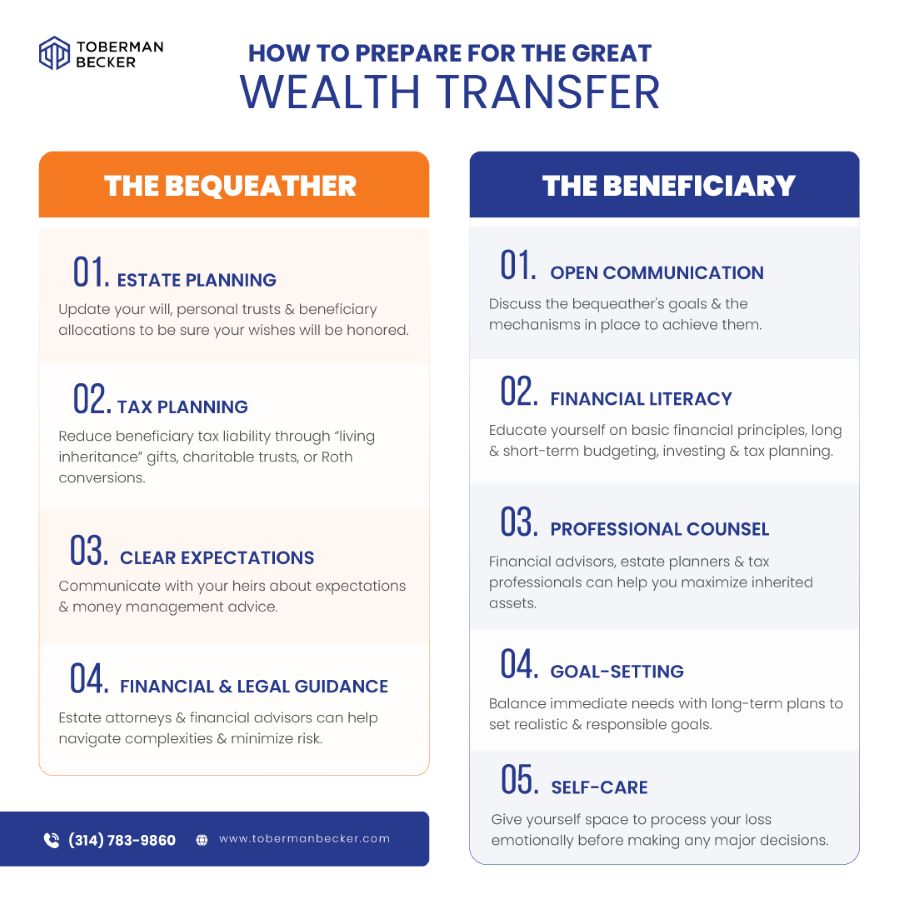
As we enter a period known as the Great Wealth Transfer, it is crucial to comprehend the implications and factors driving this significant shift in wealth distribution.
Concept of the Great Wealth Transfer
The Great Wealth Transfer refers to the massive transfer of assets and wealth from one generation to the next. This transfer is expected to be one of the largest in history, with trillions of dollars changing hands over the coming decades.
Key Factors Driving the Great Wealth Transfer
- The aging population: The transfer of wealth is largely driven by the aging baby boomer generation, who are expected to pass on their assets to their heirs.
- Technological advancements: The rise of digital platforms and financial technologies has made it easier for individuals to manage and transfer their wealth.
- Changing demographics: As younger generations become more financially savvy, there is a growing awareness of the importance of wealth management and legacy planning.
Estimated Value of Wealth Expected to Transfer to the Next Generation
Experts estimate that over $68 trillion will be transferred from baby boomers to their heirs by 2030. This unprecedented transfer of wealth will have significant implications for the financial landscape and the economy as a whole.
Importance of Wealth Management Advice

When it comes to preparing for the Great Wealth Transfer, wealth management plays a crucial role in ensuring that assets are protected, preserved, and passed down efficiently to the next generation. It involves strategic planning, investment management, tax optimization, and risk mitigation to maximize the value of the wealth being transferred.
The Role of Wealth Management in Preparing for the Great Wealth Transfer
- Ensures proper structuring of assets to minimize tax liabilities and maximize inheritance for beneficiaries.
- Provides guidance on estate planning and the establishment of trusts to safeguard assets for future generations.
- Helps in creating a diversified investment portfolio to mitigate risks and achieve long-term financial goals.
Benefits of Seeking Professional Wealth Management Advice
-
Access to expertise:
Professional wealth managers have the knowledge and experience to navigate complex financial landscapes and provide tailored solutions.
-
Customized strategies:
Wealth managers can create personalized plans based on individual financial goals and risk tolerance.
-
Peace of mind:
Knowing that your wealth is being managed by professionals can alleviate stress and uncertainty about the future.
Potential Risks of Not Having a Wealth Management Plan in Place
- Increased tax liabilities: Without proper planning, beneficiaries may face hefty tax bills that could diminish the value of the inheritance.
- Asset mismanagement: Lack of oversight can lead to poor investment decisions, resulting in loss of wealth over time.
- Family disputes: Inadequate wealth transfer planning can cause conflicts among family members, jeopardizing relationships and the integrity of the estate.
Strategies for Preparing the Next Generation

When it comes to preparing the next generation for the great wealth transfer, key strategies play a crucial role in ensuring a smooth transition of assets and responsibilities. One of the most important aspects is educating the heirs about wealth management and instilling financial literacy early on.
Educating the Next Generation About Wealth Management
- Start early: Introduce basic financial concepts to children from a young age to help them develop a strong foundation in money management.
- Provide hands-on experience: Involve the next generation in family financial discussions and decisions to give them practical exposure to wealth management.
- Offer specialized education: Encourage heirs to pursue courses or certifications in finance or wealth management to enhance their knowledge and skills.
- Mentorship: Pair younger family members with experienced financial advisors or mentors to guide them in navigating the complexities of wealth management.
Importance of Instilling Financial Literacy in Heirs
- Empowerment: Financial literacy empowers heirs to make informed decisions about their inheritance and investments, ensuring long-term financial stability.
- Risk management: Understanding financial concepts helps heirs mitigate risks and avoid common pitfalls in wealth management.
- Legacy preservation: Instilling financial literacy in the next generation safeguards the family's legacy and ensures the continued growth of wealth for future generations.
Successful Wealth Transfer Strategies Used by Affluent Families
- Family meetings: Regular family meetings to discuss wealth transfer plans, financial goals, and values help maintain transparency and alignment among family members.
- Trust structures: Establishing trusts or other legal entities can facilitate the transfer of assets while providing protection and flexibility for the heirs.
- Estate planning: Creating a comprehensive estate plan that includes wills, trusts, and beneficiary designations ensures a smooth transfer of wealth according to the family's wishes.
- Financial education programs: Implementing structured financial education programs for heirs to learn about wealth management, investments, and philanthropy can prepare them for their future roles.
Leveraging Trusts and Estate Planning
Trusts and estate planning play a crucial role in effective wealth management, especially when it comes to the transfer of wealth to the next generation.
The Role of Trusts in Wealth Management
Trusts are legal arrangements that allow a third party, or trustee, to hold assets on behalf of beneficiaries. They offer a range of benefits, such as asset protection, privacy, and control over how assets are distributed.
- Trusts can facilitate the smooth transfer of wealth by bypassing the probate process, ensuring a quicker and more private distribution of assets to heirs.
- They can also help minimize estate taxes and provide a structured way to pass on assets according to the wishes of the grantor.
Effective Estate Planning Strategies
Estate planning is essential for minimizing taxes and ensuring that your wealth is passed on to the next generation according to your preferences.
- Utilizing trusts, such as revocable living trusts or irrevocable trusts, can help reduce estate taxes and protect assets from creditors.
- Regularly reviewing and updating your estate plan is crucial to account for changes in laws, family dynamics, and financial circumstances.
- Consider establishing a family limited partnership or creating a charitable trust to further optimize tax benefits and philanthropic goals.
FAQ
What is the estimated value of wealth expected to transfer to the next generation?
The estimated value of wealth expected to transfer to the next generation is projected to be in the trillions of dollars.
What are some key strategies for educating the next generation about wealth management?
Key strategies include starting financial education at a young age, involving heirs in financial discussions, and providing hands-on experience with managing money.
How can trusts facilitate the smooth transfer of wealth to the next generation?
Trusts can help in avoiding probate, protecting assets, ensuring privacy, and providing control over how assets are distributed to heirs.